IELTS Liz Store – My New Store is Now Open

Dear Friends,

At last, I’ve created my new IELTS Liz Store which now offers both card and Paypal payments for Advanced IELTS Lessons and E-books.

The Advanced Writing Task 2 lessons explain step by step how to create each paragraph to fulfil the requirements of the higher band scores. Understanding what the examiner is looking for, how to present and support an opinion, and how to structure your essay is key to your success.

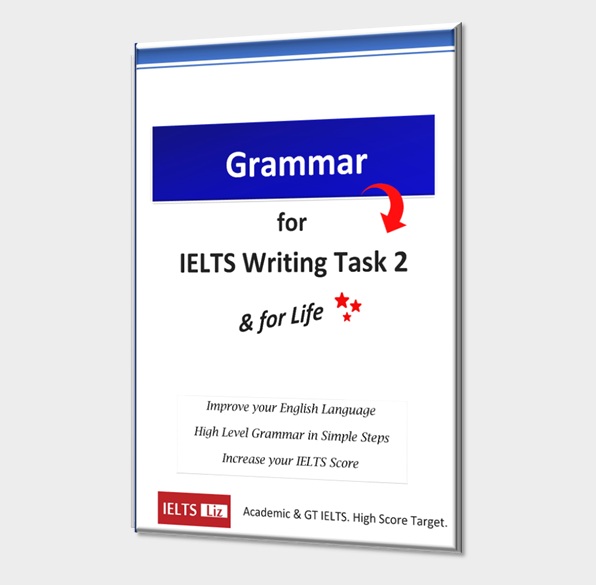
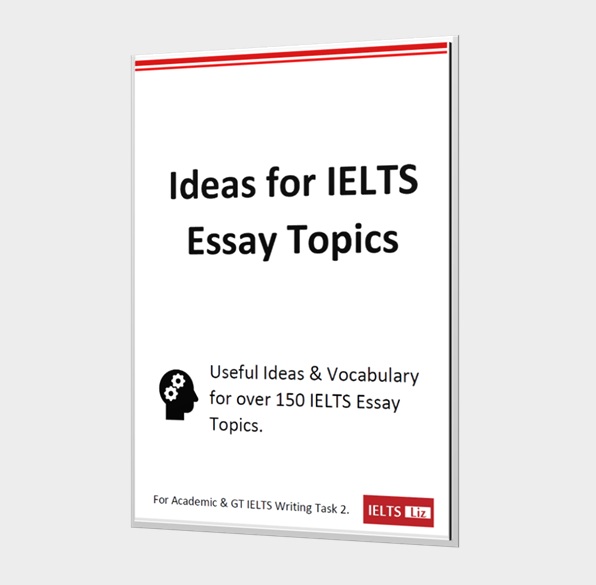
My e-books cover Ideas for Essay Topics and Grammar, both of which help you elevate your IELTS score and your level of English.
I hope to have a new IELTS listening lesson for Section 4 ready next week. I’ll let you know when it’s ready.

Meanwhile, go to the HOME Page of this website to learn how to access all my free lessons and tips for each section of the test. And don’t forget to check the IELTS Speaking Topics and IELTS Essay Topics for 2026!
All the best, 

Liz

IELTS Essay Topics for 2026

IELTS Writing Task 2 essay topics for 2026. As usual, topics are trending topics, predicted topics, and repeated common topics. IELTS nearly always basis their essay topics on current world issues. This essay list is applicable to both GT and Academic IELTS.

On this page, you will find:

  • IELTS Essay Types Overview
  • Essay Topics & Questions List for 2026
  • Useful Links for IELTS Writing Task 2

IELTS Essay Types in 2026

There are five types of essay questions in IELTS Writing Task 2. You will not know which type of essay you will be given. So, you must prepare for all types. You must be prepared that essay questions that are recycled might be reworded or be a different types of essay, for example what was a discussion essay might one day be presented as an opinion essay.

  1. Opinion Essay – agree/disagree/ partial agreement
  2. Discussion Essay – discuss both sides
  3. Advantage / Disadvantage – includes outweigh essay
  4. Cause / Problem / Solution Essays
  5. Direct Question Essays – Positive . Negative Development / one question / two question / three question essays

Sometimes, when essay questions are recycled, the instructions might change. While the topic is the same, the instructions will result in you writing a very different essay. Here is an example:

  1. Some people think that art is no longer important and funding should be diverted to the development of science and technology. Do you agree or disagree?
  2. Some people think the funding for art should be diverted to science and technology, but others disgree. Discuss both sides and give your opinion.
  3. Some people think that art is no longer important and funding should be diverted to the development of science and technology. Do you think art is important? Should art still be funded as much as it is?

So, keep this in mind when you prepare the essay topics below. Learn about how instructions can be written and how to spot which type of essay you have: IELTS Essay Types. To see model essays for each type of essay, click here: IELTS FREE MODEL ESSAYS AND MORE TIPS

I’ve organised the IELTS essay questions according to main topic. Also remember that IELTS mostly chooses topics that are trending in the world today so follow the news and keep up to date with current world issues.

Art Essay Topic

  1. Art is not as important in today’s world as science. To what extent do you agree?
  2. International art and literature is esssential in today’s world. Do you agree?
  3. Many people support the arts. Why is that? 
  4. The goverment should spend more money supporting the arts, while others think funding should go on health care and education. Discuss both sides and give your opinion.
  5. Traditional arts should be preserved better. Do you agree? How can this be done?
  6. Many people believe the arts should be censored. Do you agree?
  7. Social media is changing the way we appreciate art. Is this a positive or negative trend?
  8. Art is a healthy hobby and more people should be encouraged to take it up as a hobby. What is your opinion?

Books & Reading Essay Topics

  1. Schools and parents should encourage children to read more. 
  2. What are the advantages and disadvantages of e-books?
  3. The government should stop supporting public libraries because most information is available online.

Business & Money Essay Topic

  1. It is better to work for youself than for a company. What are the advantages and disadvantages of doing so?
  2. Many people are spending money rather than saving it. Is this a positive or negative trend?
  3. Small local business are being threated by large chain stores. Why is this? What can be done about it?
  4. People should be encouraged to buy only domestic products, not foreign products. Other people think we should be able to buy what we prefer. Discuss both sides and give your opinion.
  5. No children should learn school without learning how to manage money. Do you agree?
  6. Many people go into personal debt. Why is this? What can be done about it?
  7. Many people spend too much money on luxury goods and special events. Why is this? Is it a positive or negative trend?
  8. Having a good product is the best way to be successful in business. Do you agree?
  9. Many companies use open-plan office spaces. What are the advantages and disadvantages of this?

Character & People Essay Topic

  1. Some people work harder than others. Why is this? Can someone learn how to work hard?
  2. Old people have a better understanding of life. To what extent do you agree?
  3. Old people are becoming less respected by society and by the younger generation. Why is this happening? What can be done about it?
  4. Some people follow trends, while other people set them. Why do you think this is? Do you think it is better to set trends or follow them?
  5. Some people are born to be successful. Do you agree?
  6. Do you think character is innate or something we can cultivate? How can we develop our character?
  7. Should schools encourage individuality or conformity? Which one is most beneficial for a child’s future?

Crime & Punishment Essay Topic

  1. It would be quicker if there was the same punishment for the same crimes, but some people think this is not a good policy because circumstances should be considered. Discuss both sides and give your opinion.
  2. Too many criminals leave prison only to reoffend. Why is this? What measures can be introduced to solve this problem?
  3. Crime rates are increasing in many cities. Why is this? How can this be tackled?
  4. Some people think violent films encourage criminal behaviour. To what extent do you agree?
  5. Some teenagers commit serious crime. Some people think they should get the same punishment as adults, while others disagree. Discuss both sides and give your opinion.
  6. Why are crime shows so popular on TV? Do you think this is a positive or negative trend?
  7. Is personal safety a government responsibility or the responsibility of the individual?

Culture & Tourism Essay Topic

  1. Nearly all cities have museums or art galleries. Some people think they are a waste of funds, others disagree. Discuss both sides and give your opinion.
  2. Social media has brought with it globilisation. Do you think it is a positive or negative trend?
  3. Traditional lifestyles are slowly being forgotten. Do you think this is a bad thing? What can be done about it?
  4. Tourism to remote areas in the world is becoming more popular. Why is this? What impact does this have on local cultures?
  5. Some people think the world will one day have only one language. To what extent do you agree? Would this be a good thing?
  6. All countries around the world celebrate national holidays. What role do they play? How important are they? 
  7. People should be encouraged to take holidays in their own country to boost the economy. To what extent do you agree?

Education Essay Topic

  1. Schools should do more to instill discipline in students. How should this be done? Do you think the parents should take some responsibility for this?
  2. Some people think children should be grouped together into classes, others do not agree. Discuss both sides and give your opinion.
  3. More and more people are choosing to educate themselves online? What are the advantages and disadvantages of this?
  4. Some people think that traditional subjects at school are a waste of time because soft skills and experience are more important to get a good job? Do you agree?
  5. Some people think the best way to get a good job is to have a university education. To what extent do you agree?
  6. Schools should give children more homework to help their academic learning. Do you think this is a good idea? 
  7. As children grow up they spend time both at school and at home. Do you think parents or teachers influence a child most?
  8. Some people think schools should teach children right from wrong, while other people think this responsibility should fall on the parents. Discuss both sides and give your opinion.
  9. Education should be free for everyone. To what extent do you agree?
  10. Some people think that history is a useful subject to learn, while others think it is a waste of time. What do you think?
  11. Education in rural areas is often not as good as in cities. Why is that? What do you think can be done about it?
  12. Many children think school is boring which impacts their ability to focus and negatively impacts their academic performance. What causes this problem? What solutions can you suggest for this problem?
  13. Having a gap year between school and university is a popular choice for many students. Do you think this is a positive trend?

Environment, Nature & Wildlife Essay Topic

  1. Many species are become extinct. Do you think this is a problem? What can be done about it?
  2. Do you think it is the government’s or the individual’s responsibility to protect the environment?
  3. Many people throw litter on to the streets or in green spaces. Why is this a problem? What solutions can you suggest?
  4. Many drug companies and make up companies test their products on animals. Do you think this is right? 
  5. Beauty spots are often tourist attractions. What problems does this cause? What can be done about it?
  6. Many people are concerned about Climate Change. What problems does it cause? What solutions are there?

Family Essay Topic

  1. Children have less respect for their elders than in the past. Why is this? What can be done about it?
  2. Some people think grandparents have a lot to teach their grandchildren, while others think they are too out of date to connect with them. Discuss both sides and give your opinion.
  3. Some people think the government should take care of the elderly, while others think the family should. Discuss both sides and give your opinion.
  4. In the modern world, fewer families are eating their meals together. Why is this? Is it a positive or negative trend?
  5. Many families do not spend much time communicating with each other. What are the reasons for this? What can be done about it?
  6. Some women choose not to have children. Why is this? Is it this a positive or negative trend?
  7. Some people think parents should be strict, but others think children need more freedom to make their own choices. Discuss both sides and give your opinion.

Food Essay Topic

  1. Traditional food is becoming less popular. Do you think this is a problem? What can be done about it?
  2. More and more children are eating junk food. What are the reasons for this? What can be done to solve this?
  3. Some people eat only organic food. What is the reason for this? Do you think it is a positive or negative trend?
  4. Some people think cooking should be taught in schools, while other people think children should learn this at home. Discuss both sides and give your opinion.

Health & Exercise Essay Topic

  1. Schools should increase the number of sports and exercises class to help children develop into health adults. What is your opinion?
  2. It is the schools responsibility, not the parent’s responsibility to teach children what healthy food is. To what extent do you agree?
  3. Too many children are spend most of their free time using screens. Why is this a problem? What solutions can you suggest?
  4. Many schools teach team sports in schools. Why is this? 
  5. More and more adults are starting to prioritise their mental health? Why is this? Do you think this is a positive or negative trend?
  6. Many people commute to work by car or public transport, but not by cycling or walking. What are the advantages and disadvantages of this?
  7. The government should spend less money on trying to cure illnesses and more money on preventing them. Do you agree?
  8. Health care should be free for all people? To what extent do you agree?
  9. Some sports professionals earn more money than doctors or nurses. Do you think this is right?
  10. International sporting events are very popular. Why is this? 
  11. Hobbies are healthy activities all adults should have. Do you agree?

Language & Communication Essay Topics

  1. More and more people are doing business and conducting meetings through video call online. What are the advantages and disadvantages of this?
  2. Globalisation has brought the world closer together. Some people think countries will eventually become very similar. To what extent do you agree?
  3. The world will one day have only one language. To what extent do you agree?
  4. Children should all learn a foreign language to thrive in today’s modern world. Do you agree?

Media & The Internet Essay Topics

  1. The internet has changed the way we shop. Do you think this is a positive or negative trend?
  2. Has the internet made our world less safe? What is your opinion?
  3. More people are watching Netflix and other streaming services online. Why is this? Do you think this is a good change?
  4. Some people get their news from the internet, while other people do not trust the news they read online. Discuss boths side and give your opinion.
  5. Some people think newspapers will one day die out in favour of online news. To what extent do you agree?
  6. More people are becoming famous because of reality shows. Do you think this is a positive or negative trend?
  7. Many young children look up to actors and actresses as role models. What are the advantages and disadvantages of this?
  8. Children enjoy socialising online. Is this a positive of negative trend?
  9. Many celebrities complain about their lack of privacy from the media. Do you think celebrities have the right to privacy? 
  10. Many celebrities have cosmetic surgery. Is this a positive or negative trend?
  11. Adverts for products often entice people to buy products their do not need. Why is this? Is this a problem? 

Technology Essay Topic

  1. Some people think that teachers will one day be replaced in the classroom by technology. To what extent do you agree?
  2. Some people think that the more technology develops, the few jobs there will be. To what extent do you agree?
  3. Most people own a smart phone. What are the benefits of a smart phone? Are there any disadvantages?
  4. Some images and videos online are created by AI. What are the advantages and disadvantages of this?
  5. Some people think that AI will one day dominate humanity. To what extent do you agree?
  6. Some countries spend a lot of money on space exploration. What are the advantages and disadvantages of this?

Transport Essay Topic

  1. More and more cities are struggling with air pollution. Why is this? What solutions can you suggest?
  2. Budget air travel has become increasingly popular. What problems has this caused? 
  3. Electric cars are the way forward to a cleaner world. Do you agree? 
  4. City centres often have traffic congestion. What problems does this cause? How can traffic congestion be resolved?
  5. Some countries invest more money on public transport, while other countries invest more money on expanding roads for private vehicles. Discuss both sides and give your opinion.

World Issues & Social Issues Essay Topics

  1. Poor countries need financial aid from richer countries. Do you think rich countries have an obligation to financially support poorer countries?
  2. People are living longer than in the past. Why is this? What problems does this cause?
  3. Some schools encourage children to do volunteer work. What are the advantages and disadvantages of this?
  4. In some countries, many people are moving out of cities to the countryside. Why is this? Is this a positive or negative trend?
  5. The government should focus on building new housing for the growing population, not renovating existing old buildings. To what extent do you agree?
  6. Due to the growing population, some people think that companies should be relocated to the countryside. Do you agree?
  7. In some countries, many workers move to the city to find work. Is this a positive or negative trend?
  8. Many major cities have a problem with homelessness. How can this be solved?
  9. migration of workers from rural to urban areas.

Work Essay Topic

  1. Working hard is the only way to be successful. Do you agree?
  2. Why do so many people prefer working remotely from home or elsewhere? Are there any downsides to this?
  3. Many people around the world work very long hours. Why is this? Do you think this is a good thing?
  4. Some people do work they love, others do work solely for money. Discuss both sides and give your opinion.
  5. Some companies seek people who are team players, while other companies prefer people who are independent workers. Discuss both sides and give your opinion.
  6. In many families, both parents work. How does this impact their children? Is this a positive or negative trend?

Was this list useful to you?

Share your test experience and tips with others.

Art vs The Arts – The Difference – Useful Vocabulary – Model Answers

What is the difference between Art and The Arts? A common IELTS topics – see useful vocabulary, questions and model answers. Art and the Arts appear in IELTS Speaking Part 1, part 2 and part 3. They also appear in IELTS Writing Task 2. Most people struggle to know the difference between the two words. Below you will find the meaning and a useful vocabulary list to help you talk about and writing about this topic. Also, find some model answers.

What’s the difference between Art and The Arts?

Art 

The word art refers to the creative forms that you often learn in school. For example, painting, drawing, sculpture, and pottery. These mediums are most often used to evoke emotion, to illustrate beauty, to reflect an aspect of nature or the world we live in, to tell a story or to express an opinion.

The Arts

However, the word the arts, as you can see, is plural. This means the arts involves a more diverse range of artistic and creative works and outlets. These can involve the performing arts, such as theatre and films. It can include literature as well. People can be creative in all kinds of ways. It covers a broad range of subjects, skills and interests under the main heading: the arts. Please note, that grammatically, when referring to the arts, you must always use the article “the”.

Question for you:

Below you will find a list of subjects, which of them are not found in the arts? The answer is at the bottom of the page.

  1. fashion design
  2. drama
  3. opera
  4. calligraphy
  5. poetry
  6. ballet
  7. film making
  8. reading literature
  9. photography
  10. jewellery making

Visual, Literature and Performing Arts

The Visual Arts

  • appealing to the eye
  • to stimulate visual experience
  • to expressing ideas, messages and emotions through visual means
  • to provoke feeling
  • it relies on the manipulation of form, colour, texture, and space
  • traditional mediums: paintings, sculptures, ceramics
  • modern mediums: photography, film, graphic design
  • other mediums: jewellery, textiles, interior design, fashion design
  • visual arts can be decorative
  • some architecture can fall within this classification

The Performing Arts

  • these are creative arts requiring body, time, space, energy and movement.
  • they encompass theatre, dance, drama, stand-up comedy, circus arts, and music.
  • expression comes from the movements of the body or through the voice
  • dance involves rhythmic and choreographed movements
  • dance could be classical ballet or contemporary dance
  • for performing arts, the artists body, voice and their presence are the tools
  • performing arts are designed, scripted, stage managed, often with the use of lighting and sometimes cast support

Literature

  • a form of creative expression using writing
  • it evokes emotion / it convey ideas and messages
  • genres include fiction, non-fiction, poetry, plays
  • it is a way to explore human experiences
  • the written word can portray characters, vivid scenes and interesting settings
  • it can perserve cultural values
  • through literature we can learn about our past, our present and our potential future
  • calligraphy blurs the lines between written communication and visual artistry

IELTS Speaking Questions: Art & The Arts

Questions with some model answers. However, please note, there are many ways these questions can be answered. The examples below illustrate the range of language possible, typical length of answers and technique for the IELTS Speaking Test.

  • Did you learn art at school when you were younger?
    • Most of my art lessons were focused on drawing and painting. It wasn’t very inspiring. I wish I’d had a chance to learn more interesting art such as pottery and sculpture.
  • What can someone gain from art?
    • So many things. At the very least, art can help them relax and enjoy life. But with deeper reflection, it can inspire people to achieve greater things in life. It can enlighten them, bringing insight or meditative calm. Art can also challenge people’s values and their perspectives. And it can educate  people through ideas, messages and beliefs.
  • Why do some people spend so much money on art?
    • Well, I think you’d have to ask each individual person because their motives probably differ widely. I suppose some people buy art as a status symbol, and others spend money on it for pure enjoyment.
  • Describe a piece of art you like.
    • I don’t have one single piece of art that I prefer. But generally, I like art that helps me enter a meditative state of being, such as some Japanese block prints that depict beautiful temples in the snow or in the rain. I like the imagery of aesthetically pleasing buildings that blend into and compliment the surrounding nature. I think the Japanese do this incredibly well. It definitely helps you feel at one with the world around you.
  • Which of the arts do you enjoy the most?
    • I think that’s a really tricky question because it depends on the occasion and my mood. If I feel like relaxing, I’d probably go for some classical visual arts, such as paintings and sculptures, which help me take my mind off things. But if I want enterainment, I might prefer the performing arts because I really do enjoy the cinema or going to the theatre.
  • Do you think the arts are important for society?
    • There is no doubt they are essential. Since the early days of man, we have used visual arts as a way to record our history, our culture and our experiences. Since then, we have developed more sophisticated art forms, such as film, graphic design, literature and others, which help us make sense of our lives. It is an essential form of our expression as human beings.
  • Do you think the government should support the arts and provide more funding for struggling artists?
    • Yes, because I think the arts and artists play a very important role in a country’s history and culture so they need to be supported by the government. Many artists scrape by on a pittance so being supported financially by the government is the only way they can do their work.
  • Do you think the arts should be censored?
    • This is a tough question because in an ideal world, the answer would be no. But in our current world today, I would say yes. Art can portray ideas and messages, and evoke emotions. If these ideas and emotions incite violent or prejudice, then they need to be controlled. So, a degree of cencorship is necessary.
  • What can people and society gain from the arts?
    • I think one of the main things is a sense of identity. We can identify as a community or a nation through national art forms. Nearly all countries have traditional music, traditional dress and traditional art forms. It helps us feel connected to our country and each other. I think national pride stems from such things.
  • Do you think there is a downside to the arts?
    • If there is one, I can’t think of it. I really see the arts are offering so much, whether it be in the form of appreciation, pleasure and enjoyment, or education and cultural identity.

Note: when you read the model answers above, I want you to note the language used, and also the natural way the questions are answered. The speaking test is 100% informal. It is a chat with the examiner.

 Writing Task 2 Essay Questions: art and the arts?

The Writing Task 2 essay questions on this topic are similar to the speaking questions above. If you prepare ideas and vocabulary for the questions listed above, you can adapt those ideas for your essay. However, you can find some essay questions about art on this page: ART ESSAY QUESTIONS

ANSWER

Which of the list given above weren’t part of The Arts?

Answers

Only number 8 (reading literature) is not part of the arts. While literature is part of the arts, reading literature is not. All the others on the list are part of the arts: fashion design, drama, opera, calligraphy, poetry, ballet, film making, photography, jewellery making.

.

RECOMMENDED FOR YOU

IELTS Speaking Topics 2026

IELTS Speaking Topics and Questions for 2026 in Part 1, Part 2 and Part 3 of the Speaking Test. Most of these topics have been recycled many times over the years. They are common topics, predicted topics and trending topics. Does IELTS release the speaking topics to the public? No, which is why you must prepare as many topics as possible – you cannot predict which topics you will get.

IELTS Speaking Test Overview

  • Part 1 is 4-5 mins in length with about 3 topics and 12 questions mostly based on your personal experiences and your country.
  • Part 2 is 3-4 mins in length and is a talk based on the topic given on the cue card.
  • Part 3 is 4-5 mins in length and is more like a debate with questions relating to world issues based on your part 2 topic.
  • The speaking test is informal. All candidates take the same speaking test.

How To Prepare

  1. For part 1, practice answering questions about your own past, your current life and your hopes for the future. Some questions will also cover popular aspects of life in your country. These questions are mostly simple but do practice expanding your answers. 
  2. For part 2, practice using 1 min to prepare your talk. Then practice speaking for 2 mins on various topics. Remember, this is an informal talk. Be chatty. Give lots of detail.
  3. For part 3, explain yourself fully. Give examples and details of your opinions. These are “meaty” questions and the examiner will want to understand your point of view. 
  4. Always aim for fluency and expanding your answers in all parts of the speaking test. Showing willingness to speak is essential for the higher band scores. There are no right or wrong answers, just opportunities to showcase your English in a natural way.
  5. Do not memorise answers. Just use the questions to practice speaking naturally and also use them to prepare ideas. All your answers must be spoken naturally in the test. 
  6. If you want to learn more about the length of your answers, click here: IELTS Speaking: How Long Should My Answers Be?
  7. For model answers and helpful tips, click here: IELTS SPEAKING MAIN PAGE
  8. Review all other common topics: PART 1 TOPICSPART 2 TOPICS  / PART 3 TOPICS
  9. Speaking Part 3 topics can also overlap with your Writing Task 2 essay topics. Click here for 100 IELTS Essay Questions
  10. Post your speaking test experiences in the comments box below. 

.

THE FOUR MAIN TOPICS IN PART 1

Let’s start with the Four Main Topics for IELTS Speaking Part 1. Your test will always start with one of these four main topics in part 1: 

  1. Home
  2. Hometown
  3. Work or Study

These topics do not change. Each year they remain the same. This means you can prepare them very easily. Please click here to see the questions: IELTS SPEAKING PART 1 MAIN TOPICS

Below is a list of other topics that could appear in Part 1, Part 2 and Part 3. 

IELTS SPEAKING TOPICS & QUESTIONS

  • Animals
  • Art
  • Apps
  • Broken Promises
  • Books
  • Buildings
  • Challenges
  • Clothes
  • Confidence
  • Crime
  • Education
  • Friends & Family
  • Food
  • Happiness
  • Health
  • Intelligence
  • Media
  • Names
  • Nature
  • Numbers
  • Politeness
  • Success
  • Sugar
  • Weather
  • Work

.

ANIMALS Topic

Animals Part 1:

  • Do you have a pet?
  • What is a popular pet in your country?
  • What problems do people have with pets?
  • Did you have a pet as a child?
  • Have you ever seen a wild animal?
  • Are there many wild animals in your country?

Part 2

  • Describe an interesting animal
    • What it is / Where it lives / Where you first saw it / Why it’s interesting.

Part 3

  • How can the elderly benefit from having a pet?
  • Should the government protect wild animals?
  • Why are some animals endangered?
  • What are the advantages and disadvantages of zoos?

Note: This topic could be presented as: WILD ANIMALS / DOMESTIC ANIMALS / ZOOS / CONSERVATION

ART Topic

Art Part 1

  • What kind of art do you enjoy?
  • Do you have any paintings of pictures on your walls at home?
  • Did you learn art at school?
  • Can you draw or paint?
  • Do you like visiting museums or art galleries?
  • Do you often take photos?
  • Do you often take selfies?

Part 2

  • Describe a work of art you like.
    • What it is / where you saw it / what it shows / why you like it.
  • Describe a museum or gallery you have visited.
    • What it is / where it is located / what can be seen there / why you liked it.
  • Describe someone creative you know.
    • Who it is / how you know them / how they are creative / why you enjoy knowing this person.

Part 3

  • What role does art play in society?
  • Do you think photos will one day replace paintings?
  • Do you think people today are less creative than in the past due to advanced technology?
  • Why do people take selfies?
  • What role do museums and galleries play?
  • How can children benefit from art?
  • Should the government support the arts?
  • What’s the difference between art and the arts?
  • What makes a good painting?
  • Should art be censored?
  • What is the aim of art?
  • Which of the performing arts do you enjoy most?
APPS Topic

Apps Part 1

  • Do you often use apps?
  • What are the most popular apps in your country?
  • Are there any useful apps for children?
  • Would you ever spend money on an app?
  • Have you ever deleted an app?

Part 2

Describe a useful app.

  • What it is / how you heard about it / what it does / why you find it useful.

Part 3

  • Are apps useful or are they a distraction?
  • How do people stop themselves getting distracted by apps on their phone?
  • Have you ever learned anything new from an app?
  • Why do old people struggle with apps?
  • How do you think apps will develop in the future?
  • Can apps help us improve our health? How?
  • How do you differentiate between a good app and a bad one?
  • Do children in your country use apps?
  • What is the downside of using apps for educational purposes?

Note: This topic an also cover: MOBILE PHONES, SOCIAL MEDIA. Click here: Phone Topic Cue Cards with Vocabulary

BOOKS Topic

Books Part 1

  • Do you like reading books?
  • Do you ever read e-books?
  • Did you read much as a child?
  • What children’s story is popular in your country?
  • What type of books are most popular in your country?
  • What other reading materials do you enjoy?

Part 2

  • Describe a childhood story you enjoyed
    • What type of story it was / what characters were in it / what it was about / why you enjoyed it.
  • Describe a book that was made into a film.
    • What it is / what the plot was / what the film was like / why you enjoyed it.
  • Describe a famous author.
    • Who it is / what you know about them / what they wrote / why you like them.
  • Describe a book you recently read.
    • What type of book it is / what it is about / why you enjoyed it.
  • A traditional story.
    • What type of story it is / what characters are in it / what it is about / why you enjoy it.

Part 3

  • Do you think paper books will ever disappear?
  • What do children gain from reading books?
  • How can children be encouraged to read more?
  • What can children gain from reading skills?
  • What skills does a children’s author need?
  • Why do some adults read children’s books?
  • Do men and women like reading similar types of books?
  • Why are films often different from the book they are based on?
  • How do people’s reading tastes differ as they grow older?
  • Why do some people prefer fiction, while others prefer non-fiction?
  • Are biographies popular to read in your country?
  • What makes a novel successful?
BROKEN PROMISES Topic

Broken Promises Part 1

  • When was the last time you made a promise and didn’t keep it?
  • Do you think it is important to keep your promises?
  • Why would someone break their promise?
  • Has someone ever broken their promise to you?
  • Do you think reliability is important?
  • Why are some people unreliable?
  • How do you prioritise things in your life?

Note: The above questions could be part of a part 2 cue card or even part 3.

CHALLENGES Topic

Challenges Part 1

  • When was the last time you tried something new?
  • Do you enjoy stepping out of your comfort zone?
  • What did you find most challenging at school?
  • Do you think children should be challenged more at school?
  • When was the last time you found something too difficult?

Part 2

  • Describe a tough challenge you have faced.
    • What was it / when did it happen / how did you cope / why do you remember it.
  • Describe someone who is adventurous.
    • Who it is / how you know them / what they enjoy doing / why you consider them adventurous.
  • Describe a job you think is challenging.
    • What it is / what it involves / who does it / why you think it is challenging.

Part 3

  • Why do some people relish a challange?
  • Are challanges good for us?
  • Why do some people avoid challenges?
  • Do you think some people are born more adventurous than others?
  • Why do people take part in adventure sports?
  • Can life sometimes be too easy?
  • Should we protect children from difficult situations?
  • Should schools be more challenging for children?
  • What are the greatest challenges people face in the world today?
  • What skills can help people face difficult times?
CLOTHES Topic

Clothes Part 1

  • What types of clothes do you wear most?
  • When was the last time you bought an item of clothing?
  • Why do some people prefer casual clothes?
  • Did you wear a school uniform as a child?
  • Do you follow fashion?
  • Do you have any traditional clothes?
  • When do people wear traditional clothing in your country?
  • What accessories do you often wear?
  • Do you ever use bags?
  • What kind of bag do you often use?
  • What clothes do you wear when it’s hot?
  • Do you ever wear jewellery?
  • Would you ever spend a lot of money on clothes?
  • What shoes do you prefer wearing?

Part 2

  • Describe an item of clothing you most enjoy wearing
    • What it is / how often you wear it / when you bought it / why you enjoy wearing it.
  • Describe someone you know with a good sense of fashion.
    • Who it is / what they are like / what they enjoy wearing / why you think they are fashionable.
  • Describe something you only wear on special occasions.
    • What it is / what it is made of / when you last wore it / why you like it.
  • Describe a useful bag you own.
    • What kind of bag it is / what it’s like / what you use it for / why you find it useful.

Part 3

  • Do men enjoy fashion as much as women?
  • Do you think fashion is important?
  • What do you think of people who spend a lot of money on clothes or accessories?
  • Can you tell a lot about a person from what they wear?
  • What traditional clothes are there in your country?
  • Do you think traditional clothes will one day disappear?
  • Do you think social media influences what we wear?
  • What makes a good clothing store?
  • How have clothing trends changed over the last few decades?
  • What role do uniforms play in a company?
  • Do you think restaurants should have dress codes?
  • How do movie stars impact fashion?
  • What is the difference between accessories that men and women like?

Note: This topic could also be presented as: BAGS, ACCESSORIES, HATS, FASHION, JEWELLERY, SUMMER CLOTHES, SHOES, CASUAL CLOTHES. Click here: Model Answers Clothes Topic /  Shoes Model Answers

CONFIDENCE Topic

Confidence Part 1

  • Would you describe yourself as a confident person?
  • Were you a confident child?
  • What made you nervous as a child at school?
  • Can you tell by looking at someone whether they are confident or not?
  • Are men usually more confident than women?
  • What do you do to help you build confidence?

Part 2

  • Describe a person you know who is confident.
    • How are they / How do you know them / What are they like / Why you think they are confident?
  • Describe a time you felt confident / lost confidence.
    • When it was / where you were / what happened / why you felt confident or lost confidence.

Part 3

  • Why is confidence important?
  • How can people develop confidence?
  • Do you think some people are born naturally confident?
  • Do you think men are often more confident than women?
  • Can someone ever be over-confident?
  • Can people sometimes be too cautious?
  • When should someone be careful about making decisions?
  • Do you think social media makes people more or less confident?
  • Why do women often struggle to feel confident about their looks?
CRIME Topic

Making Mistakes Part 1

I’ve include this as a part 1 topic even though it is only losely based on the main topic.

  • What is the biggest mistake you’ve ever made?
  • Did you ever make mistakes at school?
  • Which subject did you make most mistakes in?
  • Did your school have strict rules?
  • Were teachers strict at your school?
  • What was the usual punishment if you misbehaved at school?
  • Did your school have a strict dress code?
  • Is there a lot of crime where you live?
  • What type of petty crime is common in your country?

Part 2 Cue Card

  • Describe a good law.
    • What it is / when it was introduced / how it impacts people / why you think it is good.
  • Describe a time you made a mistake.
    • When it was / who was there / what happened / how you felt.

Part 3

  • Do you think parents should enforce strict rules on teenage children?
  • How do children benefit from strict guidelines?
  • What do you think of corporal punishment in schools?
  • Do you think parents are stricter now than in the past?
  • Who should teach children right from wrong – schools or parents?
  • Why do people commit crime?
  • Is there more crime in the countryside or in cities?
  • What is the difference between major crime and minor crime?
  • Is prison the best punishment?
  • How can we reduce crime in society?
  • What is the main cause of crime?
  • Do you think all people who commit crime do so for money?
  • Why do people often reoffend after being in prison?
  • Do you think the media impacts crime levels?
  • Do you think the type of crimes being committed has changed over the last few decades?
  • How can people stay safe online?
  • Do you think online crime is a big problem?
  • How can we keep children safe online?

Note: this topic could also include: MAKING MISTAKES, PUNISHMENT, YOUTHS, MEDIA, DISCIPLINE, EDUCATION, PARENTS, EMPLOYMENT, POVERTY, RURAL VS URBAN AREAS. Click here: Crime & Punishment Vocabulary

 
EDUCATION Topic

Education Part 1

  • Did you enjoy school as a child?
  • What was your favourite subject?
  • Was there any subject you didn’t like?
  • Did you have a favourite teacher at school?
  • Did you ever do any extra-curricular activities?
  • Do you think children should play more sport at school?
  • Are you currently learning anything new?
  • Do you ever use educational apps?

Part 2 Cue Cards

  • Describe a subject you enjoyed at school.
    • What it was / who taught you / what you learned / why you enjoyed it.
  • Describe a teacher you admired.
    • Who it was / what they taught / what you enjoyed about their lessons / why you admired them.
  • Describe something you wish you had learned but never got the chance.
    • What it was / how you hoped to learn it / how it could have helped you / why you didn’t learn it.
  • Describe someone who is intelligent.
    • Who the person is / what they are like / what they do / why you consider them intelligent.
  • Describe a book, app or website that has helped you learn.
    • What it is / how you found it / what you learned from it / why it was useful.

Part 3

  • Do you think education in schools has changed a lot in the last few decades?
  • Do you think lessons should be fun or just educational?
  • How could teachers in schools improve their lessons?
  • Do you think parents should encourage their child to learn more?
  • Do you think parents sometimes pressure their children to learn too much?
  • What do children gain from free time?
  • Would you ever force your child to do extra-curricular activities at school?
  • What makes a good teacher?
  • Why do many girls not go on to study the sciences at university?
  • Do you think art and music are a waste of time to learn at school?
  • How do you think education will change in the future?
  • How has technology changed education?
  • Why do some people learn online?
  • Do you think Youtube is a good source for learning?
  • What are the advantages and disadvantages to online learning?

Note: This topic can also cover MATHS, SCIENCE, THE ARTS, TEACHERS, PROJECT WORK, TEAM BUILDING, ONLINE LEARNING, SOCIAL MEDIA. Click here for: Maths Topic Speaking Part 1 , Education Vocbulary with Pronunciation

FRIENDS & FAMILY Topic

Friends & Family Part 1

  • Who are you closest to in your family?
  • Do you have a big family?
  • Were your parents strict when you were a child?
  • Do you think family is important?
  • Do you spend a lot of time with your family?
  • Do you have many friends?
  • What do you enjoy doing with your friends?
  • When was the last time you made a new friend?
  • How do you meet new people?
  • Why is it important to have a social life?

Part 2 Cue Card

  • Describe your best friend at school.
    • Who it was / what he or she was like / what you remember doing together / why you liked them.
  • A friend you get on well with.
    • Who it is / how long you have know them / what they are like / how well you get on.
  • Describe a family photo.
    • Who is in it / when it was taken / where it was taken / why it is important to you.
  • Describe a memorable family holiday.
    • Where it was / who you went with / what you did there / why it was memorable.
  • Describe someone you are similar to in your family.
    • Who it is / what relation they are to you / what makes you similar / why you enjoy knowing them.
  • Describe a time when a friend helped you.
    • When was it / who your friend is / what they did / why it was helpful.

Part 3 Questions

  • Why is family important?
  • How do family dynamics impact a child growing up?
  • Do you think grandparents still have a role to play in today’s family?
  • What is the generation gap?
  • Should parents be strict?
  • Who should be responsible for disciplining the children – the father or the mother?
  • What do you think of one-parent families?
  • Who should be responsible for the care of elderly people, the family or the government?
  • How have families changed over the last few decades?
  • Do you think the role of fathers and mothers is changing?
  • Do you think social media has changed the way we view families?
  • Is divorce becoming more prevalent? Why?
  • Why do so many people prioritise socialising with friend?
  • What characteristics are important in a friend?
  • Do you think you need to have the same hobbies to be friends with someone?
  • Why do friends sometimes fall out with each other?
  • Is it safe to make new friends online?
  • Do you think it’s good to have many friends?
FOOD Topic

Food Part 1

  • What’s your favourite meal of the day?
  • Is there any food you didn’t like as a child that you do now?
  • Were you a fussy eater when you were younger?
  • Do you think meal times are important?
  • Do you enjoy cooking?
  • How often do you cook?
  • Do you often eat out?
  • When was the last time you tried a new dish?
  • Do you like spicy foods?
  • Do you ever eat snacks?
  • Do you think food plays an important part in the family?
  • What do you usually have for breakfast?
  • Do you ever skip meals?

Part 2

  • Describe a foreign food you would like to try.
    • What it is / where it comes from / how you heard of it / why you would like to try it.
  • Describe a restaurant you like.
    • Which type of food it serves / what it is like / what dishes you enjoy / why you like it.
  • Describe food that is mostly eaten at special occasions in your country.
    • What it is / when it is eaten / how it is made / why it is popular.
  • Describe someone you know who is a good cook.
    • Who it is / how you know them / what food they make / why they are a good cook.
  • Describe your favourite dish.
    • What it is / how often you have it / how it is prepared / why you enjoy it.

Part 3

  • Do you think food plays an important role in society?
  • How has popular food changed in your country over the last few decades?
  • Do you think children should be forced to eat what they don’t like?
  • Do schools in your country provide children with healthy meals?
  • Why do parents give children unhealthy food that they know can damage their health?
  • Should the government close down fastfood restaurants?
  • Why is obesity a growing problem?
  • What is a balanced diet?
  • How do you ensure you eat a balanced diet?
  • Do you think family members should eat together?
  • What traditional foods are popular in your country? 
  • How can children learn about traditional foods?
  • What do you think of GM foods?
  • Do you usually buy organic foods?
  • What foods are commonly imported to your country?
  • What food does your country export?
  • Do you think the media influences what we eat?
  • Are there many vegetarians in your country?
  • Do you think people eat more healthily now or in the past?
  • What food trends do you think might appear in the future?

This topic covers so many other topics, for example: COOKING, MEALS, FAST FOOD, FOOD CULTURE, FOREIGN FOODS, SNACKS, DIET, DIETS, HEALTH, PRESERVATIVES, FOOD INDUSTRY, OBESITY, SOCIAL MEDIA, FARMING, GROWING FOOD. Click here for model answers about Snacks / Vegetables

 
HAPPINESS Topic

Happiness Part 1

  • Do you consider yourself a happy person?
  • What did you enjoy doing as a child?
  • What makes you happy?
  • Do you think in the future the same things will make you happy?
  • Do you often laugh out loud?
  • Do you think the things that make people happy today are different from the past?
  • Do you think humour is important?

Part 2

  • Describe a happy event you remember
    • When it was / who was with you / what you did / why it was a happy event
  • Describe an activity that makes you happy
    • What it is / where you do it / what you need to do it / why it makes you happy
  • Describe someone who you consider a happy person.
    • Who it is / how you know them / what makes them happy / why you like them.

Part 3

  • Do you think successful people are happier than others?
  • Do you think money can contribute towards happiness?
  • What period in life is the happiest?
  • Do you think people are happier now than in the past?
  • Do you think a complicated life is an unhappy one?
  • Are children happier than adults?
  • How do children amuse themselves in your country?
  • What impacts a child’s happiness?
  • Do men and women find happiness in similar things?
  • How can elderly people find happiness late in life?
  • Do you think your job has a big impact on your happiness in life?

Note: This topic might also overlap with smiling, laughter, humour, boredom, frustration, patience, planning, goals.

 
HEALTH Topic

Health Part 1

  • How do you keep healthy?
  • Do you have a healthy lifestyle?
  • What exercises are most popular in your country?
  • Did you ever play sport at school?
  • Do you like sport?
  • Do you ever do exercise?
  • What is a popular exercise for elderly people in your country?
  • What do you think is a healthy daily routine?
  • Do you usually sleep early?
  • What would you change in your life to be healthier?
  • Do you think people are healthier now than in the past?

Part 2

  • Describe a healthy activity.
    • What it is / how it is done / who can enjoy it / why it is healthy.
  • Describe someone you think is very healthy.
    • Who it is / how you know them / what healthy activities they do / how you feel about them.
  • Describe the last time you didn’t feel well.
    • When was it / what was wrong / what did you do to help yourself / how did it impact you?

Part 3

  • What health problems do many people face today?
  • What are the biggest problems our society faces regarding health?
  • Do you think social media helps us keep healthy?
  • Are people more conscious about their health now than in the past?
  • How can people be encouraged to be healthier?
  • Do you think fast food is responsible for people having bad health?
  • Why are there so many obese people today?
  • How can exercise improve health?
  • Do you think schools should increase the number of sports classes in the curriculum?
  • What are the popular ways of keeping healthy in your country?
  • Do you think mental health is important?
  • What do you think impacts our mental health?
  • Do you think modern technoology is making people less healthy?
  • How could the health care system be improved?
  • Do you think men and women have the same attitudes towards health?

Note: This topic might also fall under: ROUTINES, SLEEP, HOBBIES, HABITS, SPORT, EXERCISE. Click here: Sleep Topic Questions & Answers / Health Part 3 Model Answers / Sport Part 3 Model Answers 

HOLIDAYS Topic

Holidays Part 1

  • Did you often go on holiday as a child?
  • Did you used to enjoy holidays as a child?
  • What activities did you enjoy as a child on holiday?
  • Do companies give people many holidays in your country?
  • Do you think holidays are important for people?
  • What holidays destinations are popular in your country?
  • When did you last go on holiday?
  • If you could go on holiday anywhere in the world, where would you go?

Part 2

  • Describe a recent holiday you had
    • Where it was / who went with you / what you did there / why you enjoyed it.
  • Describe a holiday or trip that didn’t go as planned
    • Where you went / what happened / how it go resolved / why you remember it so well.
  • Describe city you would like to visit
    • Where it is / what it is like / what you would want to do / why you would enjoy it.

Part 3

  • Do men and women enjoy the same kinds of holidays?
  • How do you think holidays will change in the furture?
  • Do you think adventure holidays are good for all types of people?
  • What kind of holidays do older people enjoy?
  • Do you think remote tourism has a positive impact on rural local cultures?
  • What are the pros and cons of tourism for a country?
  • Do you think tourism is good for historical places?
  • Why do people want to travel abroad for their holidays?
  • Do you think TV programs showing foreign destinations encourage or discourge travel?
  • How have budget airlines changed tourism?
  • Does tourism cause pollution due to mass travel and transportation?
  • Why do some people prefer to travel by bus and others travel by train?
  • Do you think train rides are more interesting than flying? 
INTELLIGENCE Topic

Part 2

  • Describe an intelligent person you know.
    • Who it is / what they are like / how they are intelligent / what you have learned from them.
  • Describe something you do that challenges your brain.
    • What it is / how often you do it / what is involved / how it helps you.

Part 3

  • Do you think people are born intelligent or can they become intelligent later in life?
  • How can intelligence be measured?
  • Do you think emotional intelligence is important?
  • How can schools help children become intelligent?
  • Do you think academic achievement truly reflects a child’s intelligence?
  • Do you think it’s important to be able to think outside the box?
  • Do you think employers look for someone with intelligence or someone with skills?
 
MEDIA:  News, Films & Social Media

Media Part 1

  • Do you often watch films? 
  • Do people in your country often go to the cinema?
  • Were you allowed to watch much TV when you were a child?
  • How do you keep up with the news?
  • How often do you follow the news?
  • Do you ever just skim the headlines?
  • Do you like to read about famous people in the news?
  • Do you often post on social media?
  • What social media sites do you use most?
  • Do you follow anyone particular on social media?
  • Do you think social media is bring people closer together or not?

Part 2

  • Describe your favourite film
    • What it is / when you first watched it / what it is about / why you like it so much.
  • Describe a person in the news you would like to meet
    • Who it is / when you first heard about them / why you would like to meet them.
  • Describe your favourite social media site or app
    • What it is / how often you use it / what you use it for / why you like it.

Part 3

  • Why do people follow the news?
  • Do you think international news or domestic news is more important?
  • Do you think all news it true?
  • Do you think people should be skeptical of news they read online?
  • How has social media changed the way we receive news?
  • Why do people enjoy watching films or drama series?
  • Why do you think people sometimes binge-watch a series?
  • Do you think historical dramas should be factually correct?
  • What do you think about people learning about history from watching drama series and films?
  • Why do some people prefer going to the cinema to watch films rather than watching them at home?
  • Do you think international films are important?
  • How do you think foreign films affect local culture?
  • Do you think it is better to watch foreign films with subtitles or dubbed?
  • What is the difference between viewing habits now compared to the past?
  • Do old people and young people like to watch the same things on TV or online?
  • What dangers are there for children who watch films?
  • Should parents control what their children watch?

Note: You can find useful vocabulary for the topic of news here: NEWS VOCABULARY.

 
NAMES Topic

Names Part 1

  • Does your name have a meaning?
  • Who chose your name?
  • Would you ever consider changing your name?
  • How do most parents choose their baby’s name?
  • Do you think names are important?
  • Do you know anyone with an interesting name?
 
NATURE Topic

Nature Part 1

  • Do you spend much time in nature?
  • Do you have many plants in your home?
  • Have you ever grown vegetables?
  • Are there many parks where you live?
  • Did you ever learn about the environment at school?
  • Do you think children should spend more time outside?
  • Do you ever recycle?
  • Do you ever buy flowers? 
  • Have you ever given someone flowers as a gift?
  • Do any flowers have special meaning in your country?
  • How could you neighbourhood be made more environmentally friendly?

Part 2 Cue Card

  • Describe a place of natural beauty in your country.
    • Where it is / when you first went there / what there is to see / why it is special.
  • Describe someone who is environmentally friendly.
    • Who it is / how you know them / what they are like / what they do to protect the environment.
  • Describe an outdoor activity you enjoy.
    • What it is / where you do it / how you do it /  why you enjoy it.
  • Describe a tree or a plant.
    • What it is / where it grows / why you like it.

Part 3 Questions

  • Do you think the government should do more to protect rural areas?
  • What are the most pressure environmental issues in your country?
  • How do people damage our planet?
  • What can individuals do to help the environment?
  • Do children learn about the environment at schools in your country?
  • Should children be more involved in protecting the environment?
  • Do you think people are more environmentally aware now compared to the past?
  • Why do some people grow plants or vegetables?
  • How do people benefit from spending time in nature, such as in a park?
  • Do you think cities should build more green spaces?
  • Why is urban planning important?

Note: This topic can also come under the headings: PARKS, GARDENS, TREES, FLOWERS, OUTDOOR ACTIVITIES, CAMPING, THE ENVIRONMENT, NATURE, PLANTS, WILDLIFE. Click here for Environmental Problems Vocabulary & Listening Exercises / Camping Vocabulary / Garden & Parks Cue Cards with Model Answer

 
NUMBERS Topic

Numbers Part 1

  • Did you like maths at school?
  • How do you remember important dates or numbers?
  • What important dates are there in your country?
  • Do you have a good memory for numbers?
  • Do you often use a calculator?
  • Are there any lucky numbers in your country?
  • Do you ever play the lottery with numbers?

Note: This topic can also cover: MATHS, REMEMBERING, MEMORY, CALENDARS, SPECIAL DATES, BIRTHDAYS. Click here: MATHS TOPIC WITH VOCABULARY

 
REMEMBERING Topic

Remembering Part 1

  • Do you have a good memory?
  • Do you often forget things? What kind of things?
  • Why are some people so forgetful?
  • Have you ever kept a diary?
  • Do you use calendars?
  • Are there any apps you use that help you remember things?
  • What can people do to improve their memory?

Part 2 Cue Card

  • Describe a memorable experience
    • When it was / what happened / why it is so memorable.
  • Describe a childhood memory
    • When it was / who was involved / what happened / why it is so memorable.

Part 3

  • Why do older people struggle with their memory?
  • Why do people sometimes forget things?
  • Why do some people have better memories than others?
  • What can people do to improve their memory?
  • What kinds of things do people often memorise?
  • Should children be taught to memorise things?
  • What types of things should children learn by heart?
  • Is it important to remember certain things from the past?
  • Is it important to learn the history of one’s country?
  • Is it easier to memorise words or picture?
  • Does technology help us remember things or does it make it harder for us to remember things naturally?
SUCCESS Topic

Part 2 Cue Card

  • Describe someone who is successful.
    • Who it is / what they are like / what they do / why they are successful.
  • Describe a successful company.
    • What it is / how you know about it / what it does / why it is successful.
  • Describe an achievement you are proud of.
    • What it is / when you did it / what it involved / why you felt proud.

Part 3

  • Why do you think some people are more successful than others?
  • Do you think success is innate?
  • What skills are important to achieve well in life?
  • Why are some people successful only later in life?
  • Do you think success at school or at work is important?
  • What makes a good leader?
  • Do you think charisma is important in a leader?
  • Which do you think is more important – initiative or team skills?
  • What makes a company successful? 
  • Is a company’s product or its marketing more important?

Note: This topic could also cover: JOBS, PERSONALITY, OPTIMISM, SOFTSKILLS, DETERMINATION, ORGANISING, CONCENTRATION.

POLITENESS Topic

Politeness Part 1

  • How do people show politeness in your country?
  • Are children usually encouraged to be more polite to older people in your country?
  • Was it your teachers or your parents who taught you to be polite as a child?
  • How do schools encourage politeness?
  • Do you think people these days are less polite than in the past?
  • Why are people sometimes rude?
  • What causes people to be frustrated and angry?
  • Do you ever lose your patience?
  • How do you deal with people who aren’t polite to you?
  • What apps help you keep organised?
  • Have you ever used an app for mindfulness?
  • How do you wind down after a long day?

Part 2 Cue Card

  • Describe someone you know who is very polite.
    • Who it is / what they are like / how you know them / why they are so polite.
  • Describe a time you lost your patience.
    • When was it / who were you with / what happened / what you did afterwards.

Part 3

  • Why are people polite to strangers?
  • Do you think children should be taught good manners?
  • Do you think social media is encouraging children to be less polite?
  • Is politeness less important today than in the past?
  • Why are people often more polite to older people?
  • Why do people often lose their patience?
  • Do you think being organised is essential in life?
  • How can being disorganised affect your behaviour and your mood?
  • What jobs require politeness?
  • Can people be both assertive and polite at the same time?
  • What roles of etiquette do strangers to your country often get wrong?
 
SUGAR Topic

Sugar Part 1

  • Do you have a sweet tooth?
  • How often do you eat sugary foods?
  • What are some popular sweets in your country?
  • Do people often eat chocolate in your country?
  • Did you eat many sweets as a child?
  • If you had a child, would you let them eat sweets?
  • Do you think any sweet food is healthy?
  • Are there any healthy snacks?

Part 2

  • Describe a sweet treat you enjoy.
    • What it is / how often you eat it / what is special about it / why you like it.

Part 3

  • Why do you think people eat food they know isn’t good for them?
  • Do you think parents should be stricter about what their children eat?
  • Why do you think people eat so many sugary foods?
  • How can the problem of obesity be tackled?

Note: This topic could also be: DESSERTS, CHOCOLATE, CAKES, SNACKS, FAST FOOD

WEATHER Topic

Weather Part 1

  • What is your favourite season?
  • What weather do you enjoy most?
  • Is there any type of weather you don’t like?
  • Does the weather affect your mood?
  • Do you like rainy days?
  • How many seasons are there in your country?
  • Are there many sunny days in your country?
  • Do you daytime or evenings more?
  • Do you ever look at the night sky?
  • What type of activities do people enjoy in your country when it’s hot?
  • Would you ever consider living somewhere that is permanently hot or cold?
  • Does the weather ever affect transport in your country?
  • What problems with the weather does your country have?

Part 2 Cue Card

  • Describe an activity you enjoy in warm weather.
    • What it is / where you do it / how it is done / why you enjoy it.
  • Describe a day when the weather was perfect.
    • When it was / what it was like / what you did / why you enjoyed it.
  • Describe your favourite season.
    • When it is / what it is like / what you do during that season / why you like it.

Part 3

  • What type of climate do you think is most healthy?
  • How do you think climate affects lifestyle choices?
  • How do people dress when it’s hot in your country?
  • Do you ever have extreme weather in your country?
  • How can extreme weather impact a country?
  • What is climate change?
  • Do you think climate change is a serious problem?
  • What impact does weather have on farming?

Note: This topic also covers SEASONS, RAIN, CLOUD, SUNSHINE, CLIMATES, TEMPERATURES, EXTREME WEATHER, ACTIVITIES, THE SKY, CLIMATE CHANGE, GLOBAL WARMING.

WORK Topic

Work Part 1

For Work Part 1, please see the common topics page: IELTS SPEAKING PART 1 COMMON TOPICS.

Part 2 Cue Card

  • Describe a job you think is important.
    • What it is / who usually does this work / what is involved in it / why it is important.
  • Describe someone you know who is hardworking.
    • Who it is / what they are like / what their job is / why you think consider them hardworking.
  • Describe a time you once did team work.
    • When it was / what work you did / what was involved / why you enjoyed it.

Part 3

  • How has technology changed how we work?
  • Do you think social media impacts people’s ability to focus on their work?
  • What do you think of open-plan offices?
  • Do you think satisfaction or money is more important?
  • What makes someone successful?
  • What skills are best to get a good job?
  • Why do you think some jobs are more popular with women than men?
  • Do you think it impacts a child if both parents work?
  • What jobs do you think most benefit society?

SHARE YOUR TEST EXPERIENCE & TIPS IN THE COMMENTS – sharing is caring xx

RECOMMENDED FOR YOU:

Click here: IELTS SPEAKING MODEL ANSWERS AND TIPS

VIDEO: Develop your IELTS Speaking at Home

Happy New Year – It’s 2026!

My Dear Friends,

I am wishing you a wonderful year ahead, full of richness, love and prosperity. 

I feel it is also time to remind ourselves that no matter how life plays out, we must remain proactive, determined and positive. However, a “rich” life is not just about reaching goals, it’s about the steps we take along the way. Each small step can bring happiness into your life or someone else’s. So, don’t lose track of life itself in your determination to succeed. 

New Year is also a time to reflect on the state of the world so that we all have a clear understanding of the urgent need to bring peace, tolerance and respect back into the world. What can we do as individuals? A great deal. The world is made up of individuals, we all play our part. So, let us unite in bringing as much kindness as possible to each day in 2026.

For me personally, I will also use 2026 to strive for a new beginning for myself and to help as many people as I can along the way.

I send my love to you wherever you are in the world. Hugs all around.

All the best for 2026!

Liz

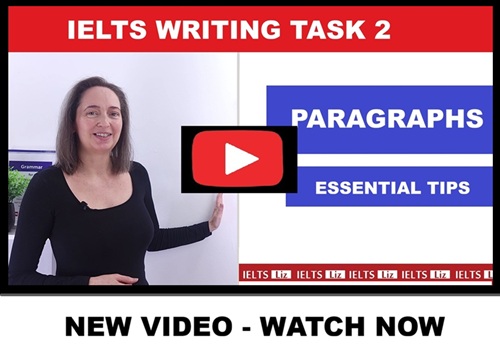
New Video – Paragraphs in IELTS Essays

PARAGRAPH LENGTH FOR WRITING TASK 2 

Learn how many words and sentences you need for each paragraph in your IELTS essay. 

.

This is my first and only video for 2025 due to health problems. It feels great to be finishing the year on a good note. So, I hope you find the video useful and informative. 

Useful Links for You

Wishing you all the best

Liz

Thank you for your support, from Liz

My dear friends,

I am writing to you with my deepest thanks for the emotional support you gave me a few weeks ago. I know my thank you is late, but recovery has been up and down. At least now, I can say that I am definitely improving.

Your incredible support truly overwhelmed me. When I messaged you, I hoped some of you might write in to help me, but I didn’t expect so many of you. It was amazing to experience such a response at time when I felt so broken and very alone. 

I was deeply affected by your sentiments, your insight, your advice, the experiences some of you shared, and by hearing about your lives. Many of you wrote very touching messages that brought tears to my eyes. Some of you wrote profound words of wisdom – I’ve put some of those messages at the bottom of this page for everyone to read. Some of you shared how your lives have changed and improved since conquering IELTS – that really warmed my heart. Also, I know some of you were struggling yourselves with pain, loss and grief. I do very much hope this message finds you in a better place emotionally and on the path to healing.

And there were some of you who wrote humorous messages that actually had me laughing out loud on one of my worst days. I’d like to thank Zeeshan for his fantastic “Legend of a Kidney Stone” – if you have a subscription, I’ll sign up! You nailed my humour! And Enrique who wrote about how as a teacher, he had once told a student that “sleeping on it” was a great way to solve a problem. The student had then asked if they should put the test under their pillow. Brilliant!

You all helped me so much. Not only by the content of your messages, but also by the time and effort you took to reply. It felt like so many wonderful hugs coming into my life. Thank you. I wish I had the words to describe how impactful that was, particularly for someone like me who has lived alone so long.

Yes, you all helped me get my vision back. I now see the impact my work has and I can’t wait to carry on. But I will take a bit more rest before I start, just to give my body what it needs. And yes, my fire inside is starting to grow again. It feels good to see my way forward.

For anyone else who is struggling in life, I will say – reach out for support. It makes a huge difference. Even the strongest people need support from others, it is completely natural. But remember that when you do reach out, it will be at a vulnerable time in your life, so please reach out wisely and safely to people you know you can trust. I knew I was safe with all of you. I was right. Thank you!

Sharing Your Words of Wisdom

  1. Pain may knock you down, but spirit picks you back up. (Zeeshan)
  2. Strength is inspiring in itself. (Emmanuel)
  3. Fighters fall. But fighters rise. Every time. (Miriam)
  4. Fighters do survive, but they don’t have to fight alone. (Aylin)
  5. Stand in front of the battle of life bravely with a smile. (Od)
  6. You are stronger than you feel right now. (Amr)
  7. The human body may be fragile, but the human spirit is absurdly tough. (Zeeshan)
  8. To start running fast, sometimes we need to take a step back to gain momentum. (Minh Tuan)
  9. Strengthen your inner voice and let it speak with positivity, resilience and hope. (Ahmed)
  10. Even the strongest souls need time to breathe. (Obaydur)
  11. Take things moment by moment. Even the tiniest spark is still fire – and yours is still burning. (Aylin)
  12. Stay the course. You matter. (Mena)
  13. Life is a journey with no guidelines. Live it freely. (Lin)
  14. People deserve to improve the quality of their lives. (Palomino)
  15. Life gives us moments when we need to redefine our paths. (Fiza)
  16. We are so fortunate just to be alive. (Ekta)

***

Thank you, my dear friends, from the bottom of my heart. Wishing everyone the very best, Liz xx

     *  You are all my inspiration. *

I’m struggling and reaching out to you

Hi guys,

I want to apologise for this post, but many of you once said I could reach out for support if I ever needed. I do need it.

This year started with promise, but it has been spiralling for a while and my health is being affected by the strain. I’m struggling right now to stay strong and keep my mind focused on positive thoughts. I fight alone in isolation, which makes it harder for me. And not being able to leave the house also prevents me accessing the joy of nature. My character is a determined one, but even the strongest sometimes need to reach out for inspiration, kindness and support.

I know I should focus my mind on providing free lessons. It brings me joy in times of darkness. But when things are so very hard, your mind can wander down the wrong paths and focus becomes difficult. I need to get my vision back. I need to get my fire back.

If you have time, please remind me of the great things worth fighting for in life, share an inspiring story, make me laugh – bring some strength and joy into my life. And if there’s anyone else fighting hard right now, we will all benefit.

I hope to be back on top soon. Fighters always survive. Thank you for being there.

All the best to you

Liz

(Elizabeth Ferguson)

error: Content is protected !!